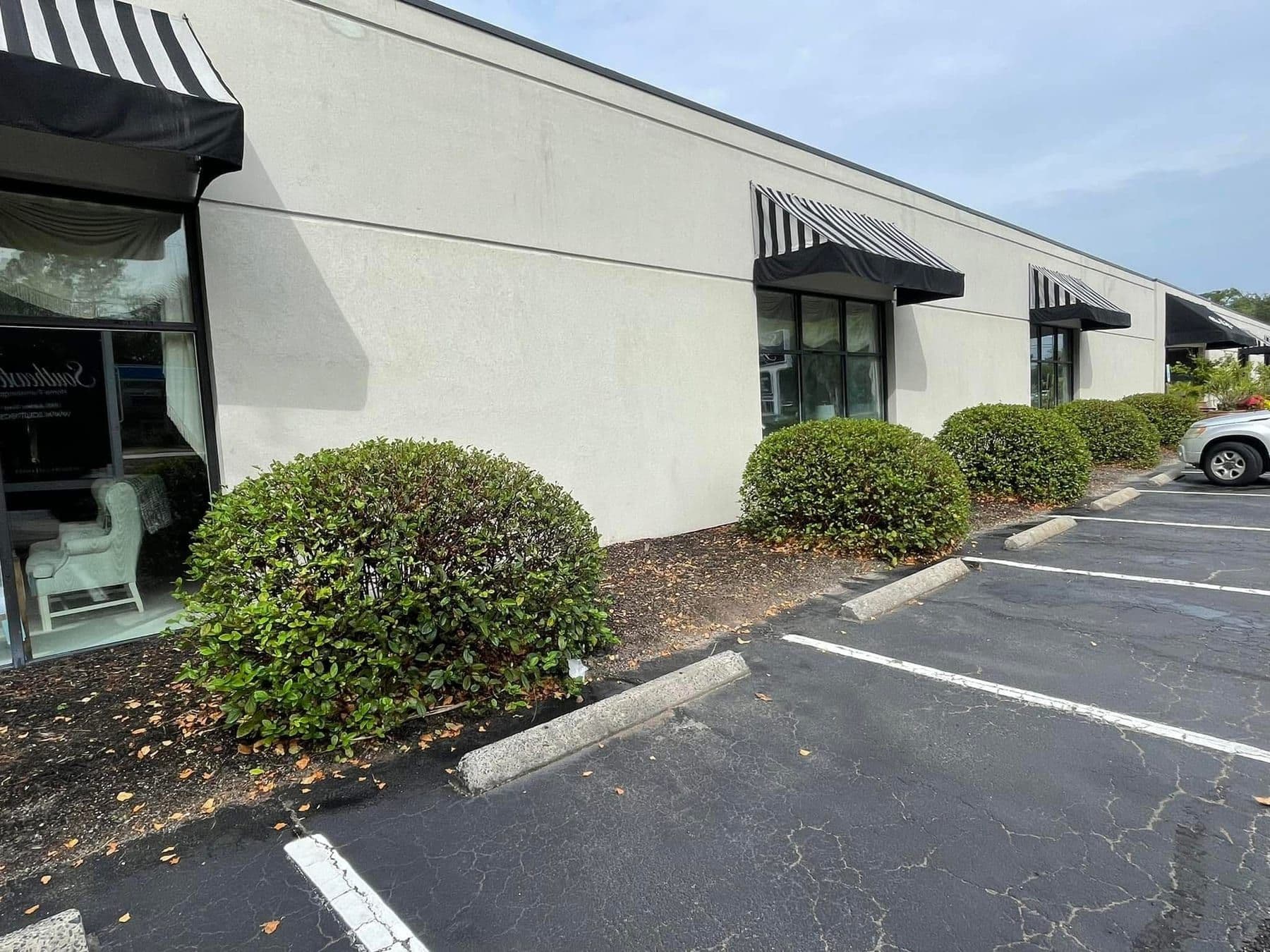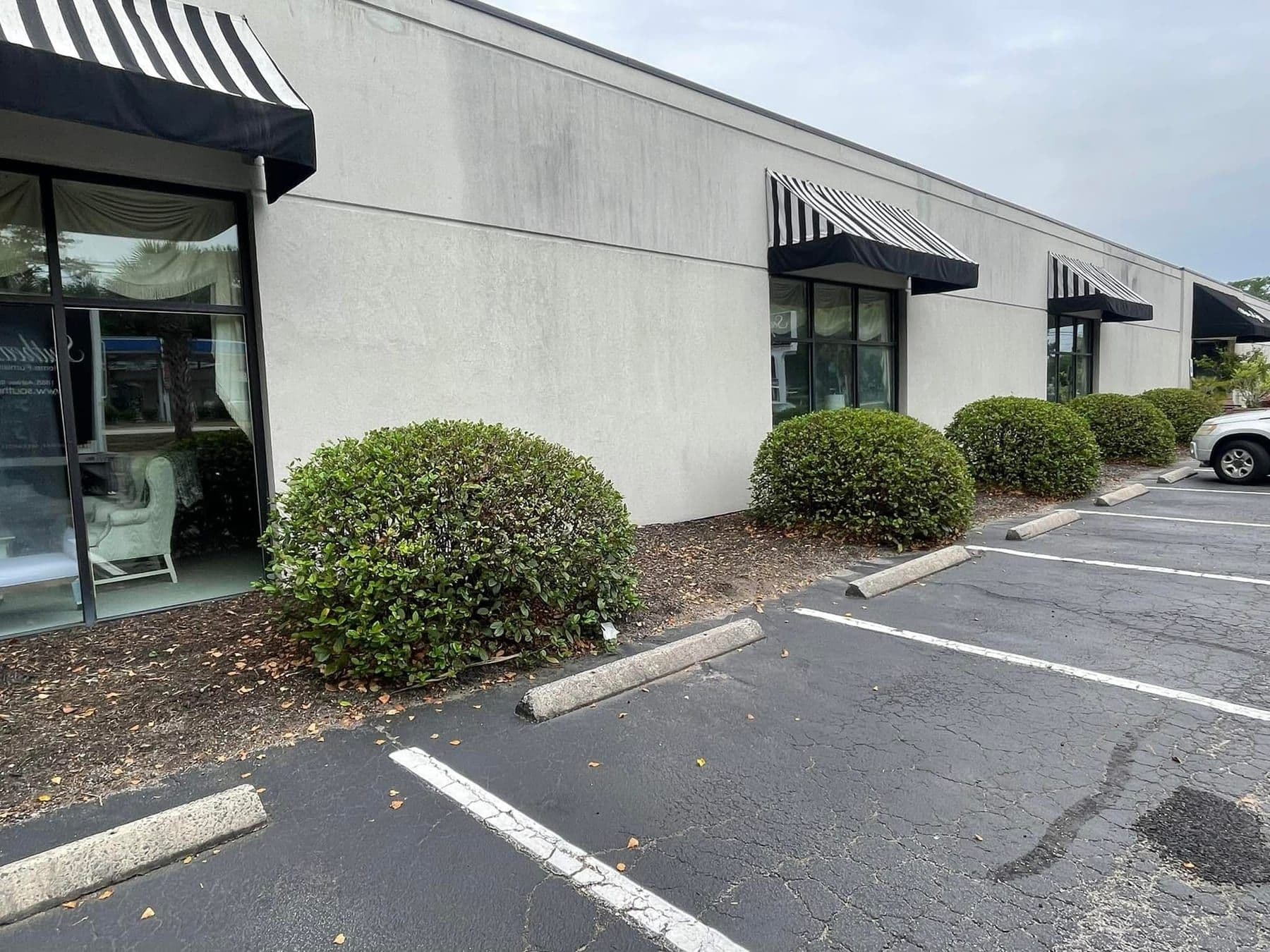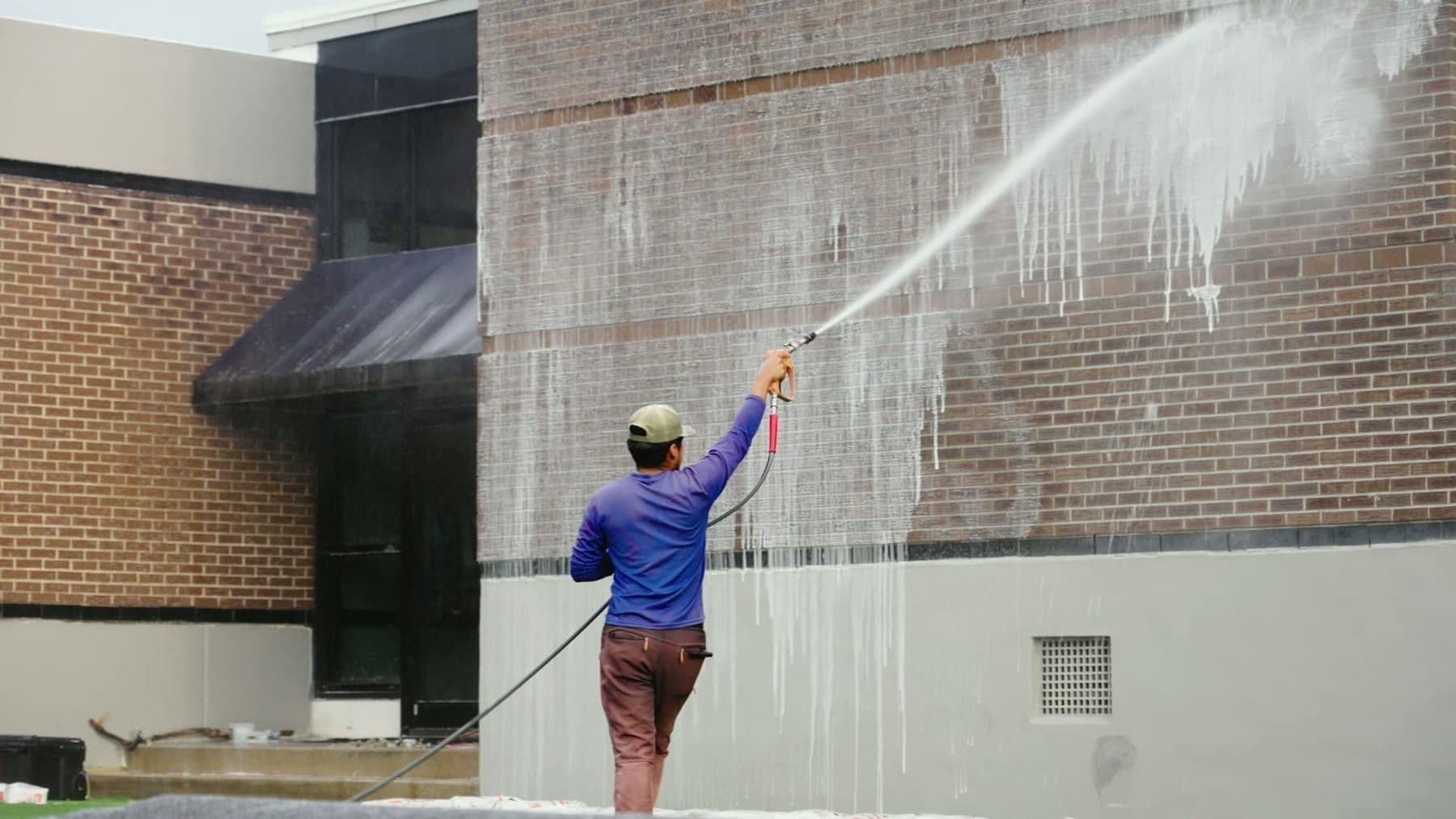
Budget season is the fall, and exterior cleaning is one of the first lines a board looks at cutting. I understand why. Insurance is up, landscaping is up, and somebody says we washed the buildings two years ago, so let us skip a cycle.
Skipping is rarely a saving. It shifts money out of the operating budget toward the reserve side, because the published service life of a painted or coated surface assumes somebody is maintaining it. And no, cleaning does not belong in your reserve study. It belongs in the operating budget and in a written maintenance plan.
Where cleaning sits in the budget
The Community Associations Institute revised its Reserve Study Standards in 2023. CAI calls it a budget planning tool for the components an association is responsible to maintain or replace, plus a funding plan for them. Components get in through a three part test, and the part routine washing usually fails is cost: the total has to be material to the association. The standard does not shut the door completely, and I would rather say so than have you find it yourself. It says common area preventive or corrective maintenance projects qualify as reserve components if they otherwise meet the component test, so a large cyclical wash tied to a repaint cycle could argue its way in. A quarterly sidewalk cleaning cannot. The standard also makes the study disclose a dollar value below which projects go through the operational budget instead.
CAI puts preventive maintenance plans expressly outside a reserve study's scope, and says the maintenance plan should cover all applicable common elements, not only the components inside the study. Two documents. Your cleaning schedule lives in the second one.
Deferral is a transfer, not a cut
CAI defines deferred maintenance as work that is not performed, leads to premature deterioration, and produces "a reduction in the remaining useful life" of reserve components plus possible underfunding. The standard goes a step further: if preventive maintenance is not being performed, that should be disclosed in the report and reflected, if necessary, in the remaining useful lives of the components. The if necessary is theirs, not mine. The number in your study is a maintained life, not a promise.
CAI is writing about maintenance in general, though, and says nothing about pressure washing. That link is my argument, not theirs. Coatings make it concrete: the USDA Forest Products Laboratory's Wood Handbook says that if paint is sound but discolored with mildew, you wash it, because it does not need repainting. An operating task doing a capital task's job.
What the growth is doing, and what it is not
Most HOA pressure washing in Charleston is sold on appearance. I would rather be accurate than scary.
Mildew is not rotting your wood siding or trim. FPL's exact line is that the organisms cannot decay wood, and Carol Clausen, a research microbiologist at the same lab, opens her paper on mold and mildew with mold and mildew causing no structural damage to wood other than unsightly discoloration. Both are talking about wood. I have not found the equivalent research for vinyl or fiber cement, so I am not going to claim it covers them. Growth tells you a wall is not drying, which she ties to north facing walls and shrubs planted too close, and sustained moisture is what invites the decay fungi that do destroy wood.
Shingle roofs are usually a separate line and usually a separate contractor, but boards ask, so: the Asphalt Roofing Manufacturers Association frames algae as discoloration and does not claim it shortens roof life, while moss is different and can lift shingle edges. ARMA's wording on cleaning is "Never use a pressure washer to clean an asphalt shingle roof." Roofs are not on our service list, so that is the end of my useful opinion.
On masonry, stucco and concrete I will not claim growth shortens service life. That research is genuinely split. Staining is real and visible, and that is what you are paying to fix.
Write the scope before you take bids
Useful whether or not you ever call us. Three bids only work when all three describe the same job, and they usually do not. One includes the sidewalks. One prices rust at the irrigation heads, another calls it an extra later. The board takes the low number and gets the smaller job.
Write the scope, or have your manager write it, and send the same page to everyone:
Surfaces and quantities: buildings by address, which elevations, square footage of walks and curbs, dumpster pads and corrals, mail kiosk, pool deck, fencing.
Method and a pressure ceiling by substrate, and who makes that call on site.
Detergents. We use plant safe surfactants and biodegradable detergents. Ask every bidder what is going near your landscaping.
Water and power: whose spigot, whose meter, whose cost.
Exclusions priced separately: rust and battery acid staining, gum, graffiti, oil at the trash enclosure.
Re-clean terms. Ours is plain. If it is not right, the crew comes back.
Insurance. Certificate before work starts, not after. We carry two million dollars in general liability and name the association additional insured when the manager requires it.
Any three bid rule you follow comes from your governing documents, not state law, so read your declaration and bylaws or ask your attorney. When the numbers land, here is how to compare commercial pressure washing bids.
Scheduling around residents
Charleston's construction noise ordinance, Sec. 21-17, covers fuel and electric powered equipment that makes loud, repetitive noise in building, construction, repair, renovation or demolition operations. The window is 7:00 a.m. to 7:00 p.m. weekdays and 9:00 a.m. to 7:00 p.m. Saturdays, none on Sundays or six named City holidays, with a permit exemption process. Whether exterior cleaning sits inside that section is a question for the City, not something I will assert. Mount Pleasant and Summerville set their own rules.
Wash water is the other constraint. EPA requires regulated small storm sewer systems to prohibit non-stormwater discharges by ordinance, and its allowable list names street wash water and residential car washing, not commercial building or pavement wash water. Local rules govern and they vary, so confirm yours. The rest is logistics: notice per building a few days out, cars off the section being washed that morning. A management company running several communities can reuse one notice pattern across the portfolio, which is usually how property management exterior cleaning schedules get built.
What South Carolina actually requires
Short list. The South Carolina Homeowners Association Act, Title 27 Chapter 30, effective May 17, 2018, contains no reserve study requirement, no reserve funding requirement, no audit requirement and no competitive bid requirement. Neither does the Horizontal Property Act for condominium regimes.
The provision people cite is the 48 hour notice in Section 27-30-140, and it is narrower than the internet says: notice at least 48 hours before the meeting at which a decision to raise the annual budget is made, and subsection (2) says the section does not apply to an association incorporated under the South Carolina Nonprofit Corporation Act. Whether yours is incorporated that way is a question for your declaration, your Secretary of State filing and your attorney, not for me. A pending bill, H.5204, would put reserve rules in the code for the first time. Read it before anyone panics, because the parts people quote land on new associations: a study at least every three years and a hundred percent funded account. An association already in existence on January 1, 2027 would have until January 1, 2037, moving ten percent a year. Introduced February 18, 2026, still in the House Committee on Labor, Commerce and Industry. Not law.
Not every association needs an annual schedule
Arguing against my own invoice here. Exposure drives the interval. FPL notes that paint on the north side lasts about twice as long as paint on the south side, that different sides do not need the same schedule, and that mildew is most common in shaded, moist or protected areas. A north elevation under live oaks on Daniel Island can want attention yearly while the exposed side of the same building does not. For plenty of associations the honest answer is a split schedule, not a whole-property wash every year. What we cover on a community is laid out on our HOA and community association cleaning page.
My own limit, since I am asking you to trust the rest of this. We work from the ground. On taller buildings there are elevations that ground based methods will not reach properly, and I would rather say so at the walkthrough than find out on wash day.
A next step before the vote
Pull three years of actuals for the exterior line and compare what you spent with what got deferred. Walk the property with a phone and photograph the north elevations, the dumpster enclosure and the sidewalks nobody looks at. Write one scope page from those photos.
If you want a second set of eyes on that page, send us the scope for a quote once it exists, or call 843-696-4739 and talk it through. Get the plan on paper before the vote instead of after it.